Justice First is an international research collaboration exploring what a just energy transition looks like when communities are placed at the centre of the process.
As communities around the world navigate the intersecting pressures of climate change, changing energy systems and wider social and political inequalities, the transition to a low-carbon future raises important questions: Who participates in decisions? Who benefits? Who bears the costs? And whose knowledge, priorities and ways of life shape the path forward?
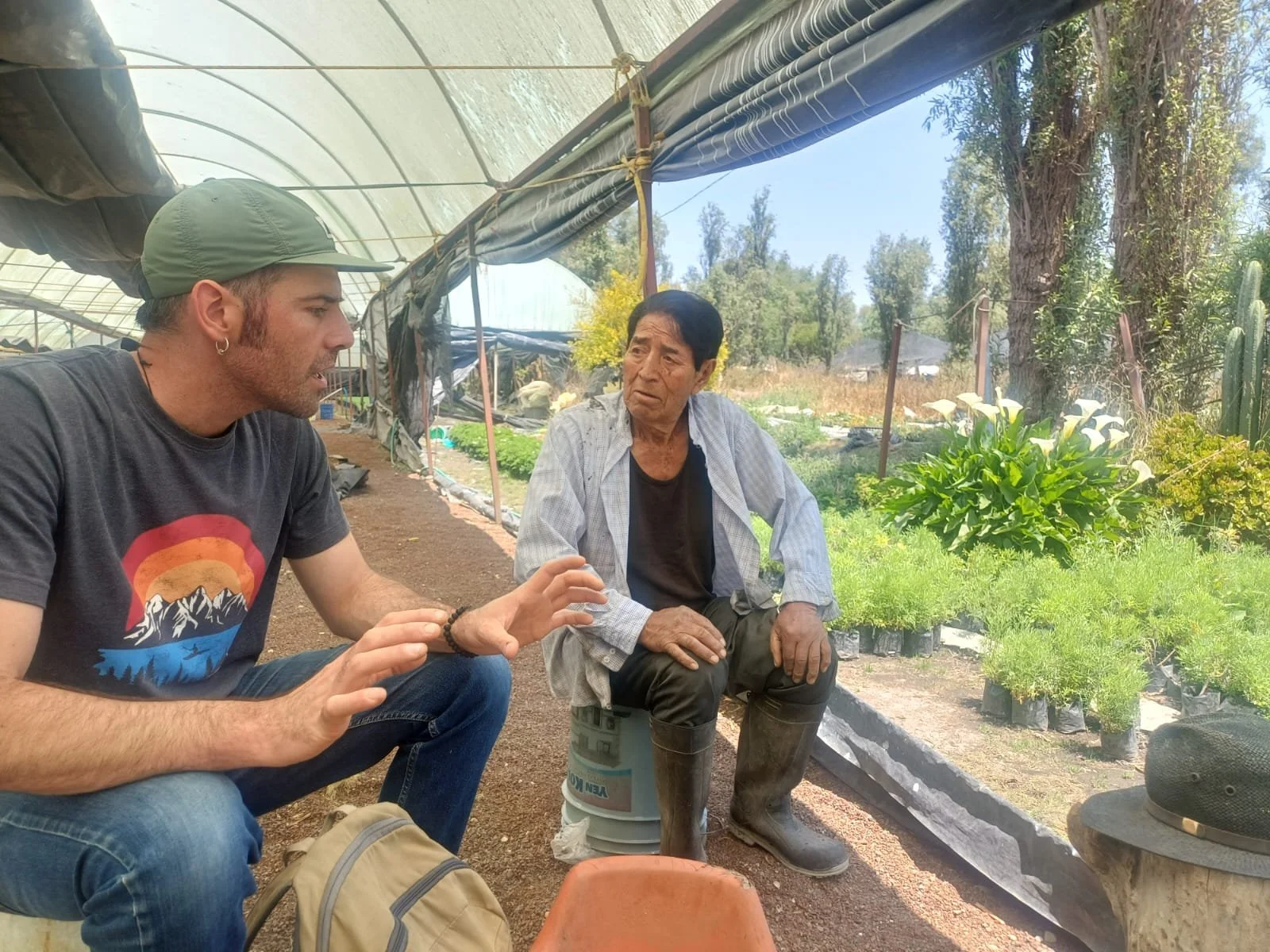
Working alongside Indigenous and marginalized communities across six countries, Justice First examines how energy transitions are experienced at the local level. Our research centres community knowledge, lived experience and local priorities, with the aim of contributing to energy and climate responses that are not only sustainable, but equitable, meaningful and responsive to place.
Our Objectives
Our work seeks to:
Centre communities in energy transitions by recognizing local people as meaningful partners in shaping energy and climate futures, rather than simply recipients of policy.
Understand energy in context, including the cultural practices, histories, relationships to place and everyday experiences that shape how energy is understood and used.
Examine questions of power and justice, including who participates in energy decision-making, whose knowledge is recognized, and how the benefits, risks and costs of transition are distributed.
Learn across places without assuming they are the same, using comparative research to understand how common challenges take different forms across communities and national contexts.
Support locally relevant responses by working through co-creation to identify knowledge and solutions that reflect community priorities, needs and energy cultures.
