Notes from the Field
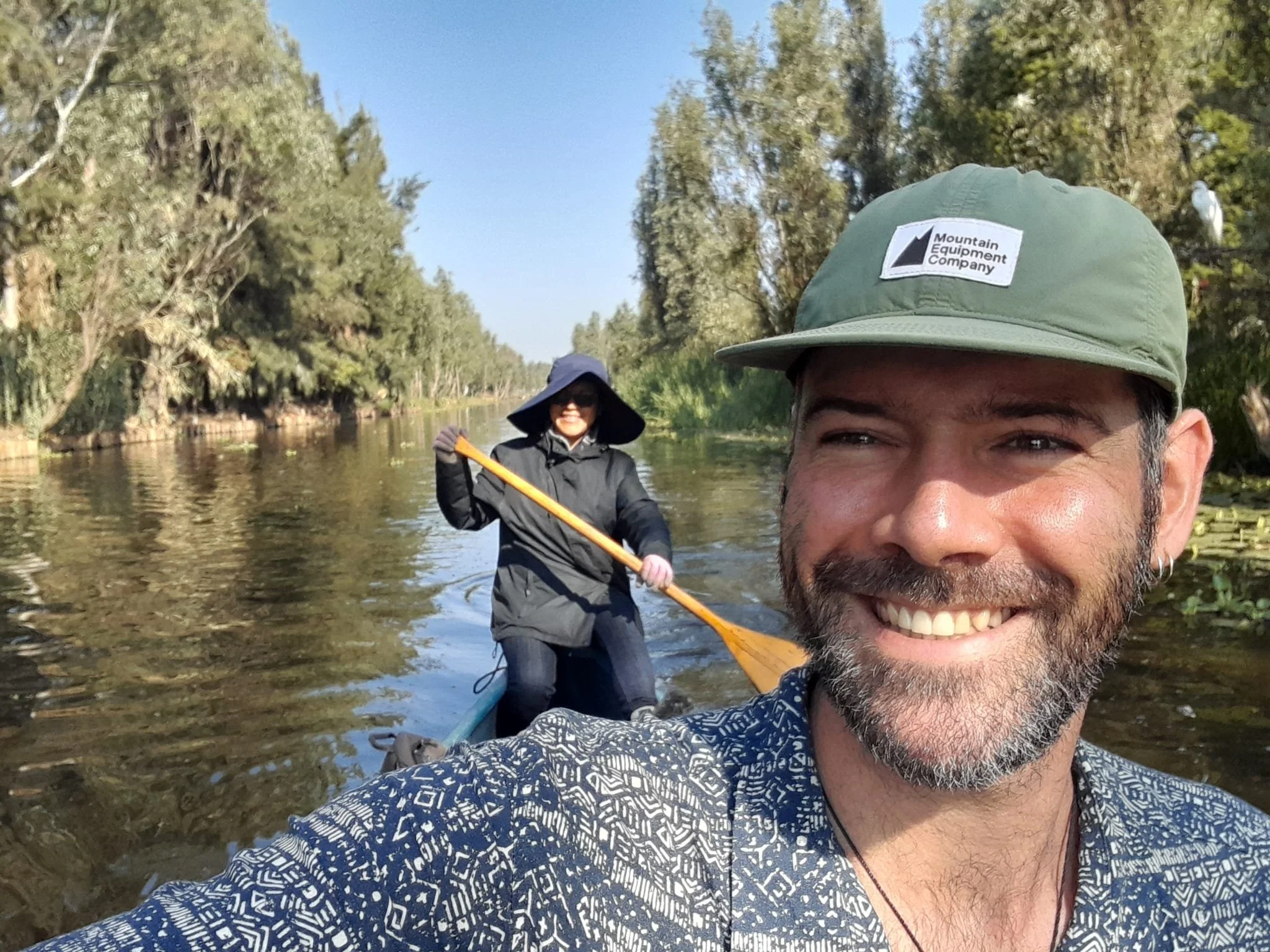
Hola! I am Juan, a Master’s student in Rural and Environmental Sociology at the University of Alberta and part of the Justice First team based in Canada. Due to my background as an agricultural engineer, I was invited to collaborate on the Justice First Mexican case study, which works with the peri-urban and rural communities of Xochimilco, home to the world-famous chinampas.
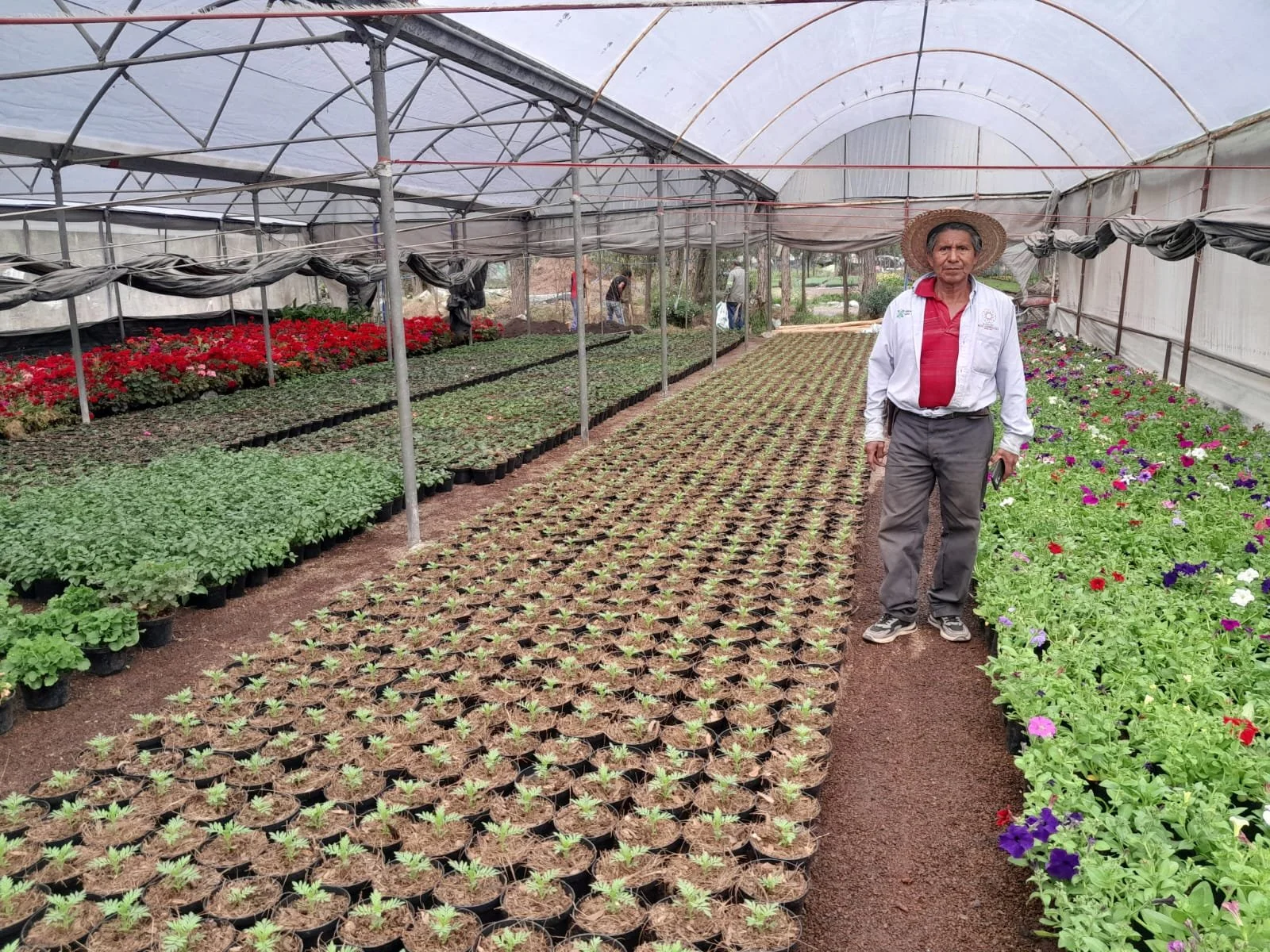
Since high school, I had heard about the chinampa agricultural system, not only because of its unique and ingenious land design—developed hundreds of years ago in the Basin of Mexico through the practice of piling soil taken from the bottom of the former Xochimilco Lake and securing it with willow trees to create highly fertile raised beds surrounded by canals—but also because of the rich cultural practices of the Chinamperos that have sustained one of the world’s most productive agroecological systems for centuries. This cultural landscape is still alive today, although it faces multiple threats.
After working closely with the Mexico-based team to connect their ongoing research activities with my own research interests and attending to the needs and concerns shared by community members during listening sessions, I identified three main research areas:
The intersection between climate change, existing conservation and development policies in the region, and the challenges and opportunities farmers face within this context.
Understanding the resource-use practices and energy culture of the Chinamperos, and how these influence agricultural decision-making and the patterns of vulnerability, adaptation, and resilience they produce.
Exploring how Chinampero culture and traditional knowledge contribute to adaptation strategies and resilience-building processes, shaping their visions for the future of their livelihoods.
Because I wanted to develop a deep understanding of the landscape and everyday life in the region, I organized a two-month stay in Mexico. This meant convincing my whole family to join me under the promise of reconnecting with our previous Latin American lifestyle—full of great food, chaos, spontaneity, joy, noise, conversation, and vibrant community life.
Once we arrived in Mexico, I met in person with Angélica and José, both members of the Mexican team, who introduced me to the region and became an important support network during our stay. I was then connected with Geno, a local leader from Xochimilco who became my guide, mentor, and friend. Geno, a long-standing member of the Chinampero community and an active promoter of its culture and traditions, played a key role throughout my fieldwork. He introduced me to community members, connected me with key contacts, and generously shared his knowledge and wisdom.
During my stay, I had the opportunity to conduct numerous interviews and surveys with farmers, academics, and public servants. I also explored the chinampas firsthand, observing the effects of climate change and human activity on this historic human-shaped landscape. Beyond the research itself, I participated in festivals and birthday celebrations, enjoyed traditional dishes, had deep conversations and met extraordinary people whose hospitality, openness, and warmth I deeply appreciate.
Before departing, I was able to organize a focus group with Chinamperos where we shared and discussed the main insights that emerged from the interviews. The water crisis, the role of young people in farming, and how culture and tradition can help to adapt to climate vulnerability in the context of an uncertain future.
Now, I am back in Canada, ready to analyze the data I collected, write my thesis proposal, still in contact with the farmers I worked with, and ready to continue looking for new ways to contribute to the Justice First project.