Tamale Case, in Focus
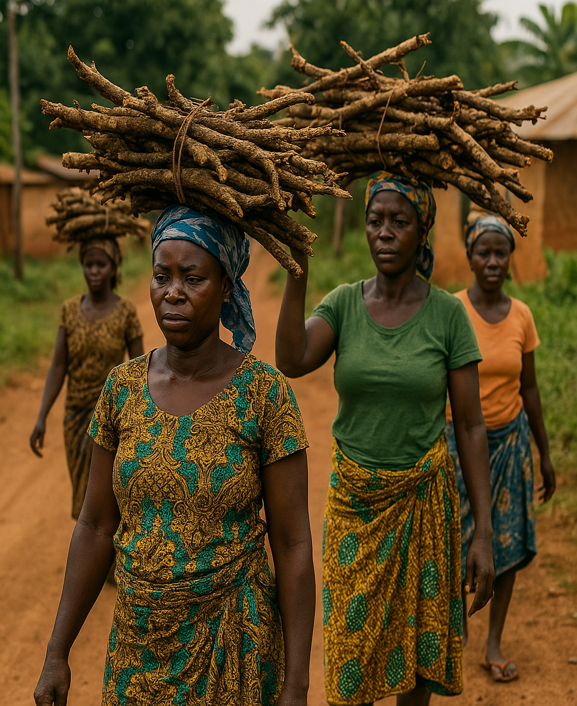
Our Justice First case study focuses on Tamale, a city where energy poverty intersects with climate vulnerability, various forms of inequality, and weak infrastructure. As the largest city in northern Ghana, Tamale faces distinct developmental pressures, which are intensified by frequent droughts, flooding, poor air quality, and high poverty levels particularly within informal and peri-urban settlements, disproportionately affecting vulnerable populations. Women feature most prominently in the vulnerable group most at risk since they form the majority amongst the low-income earners and they play a key role in energy security for the family. In Tamale and its surrounding suburbs, women play a central role in meeting household and community energy needs, as they are primarily responsible for providing lighting, heating, and cooking. However, they rarely have access to modern energy sources to carry out these tasks. This especially the case of peri-urban communities of Tamale, where most of the households are overly reliant on traditional biomass – such as wood, charcaol and agricultural waste to meet their energy needs. However, this reliance exacerbates the existing energy vulnerabilities, as the dual pressures of climate change and deforestation have all accentuated the problem of reliable energy for women as the traditional sources of firewood and charcoal continue to diminish, intensifying inequalities, and triggering new vulnerabilities linked to community and individual development. One of the research focus, thus provides an appropriate lens for understanding climate-induced energy vulnerabilities in peri-urban Tamale, where environmental stressors and socio-structural inequalities converge to shape differentiated experiences of energy poverty.
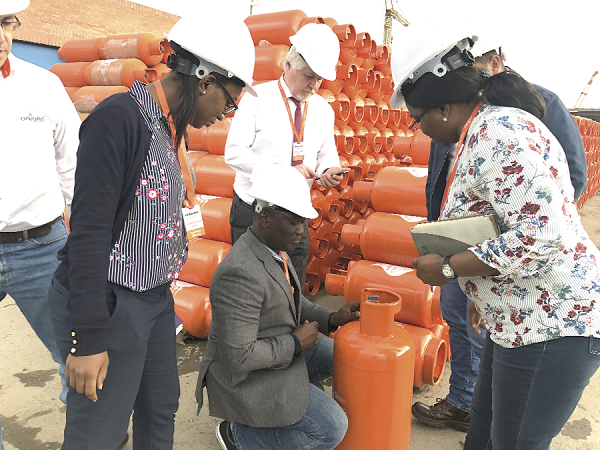
However, transition to modern and clean cooking could cold give communities and women tasked with biomass collection better opportunities. As Ghana navigates the path toward sustainable energy transitions, the Cylinder Recirculation Model (CRM) has emerged as a flagship policy aimed at improving access to clean cooking energy. The CRM seeks to shift households away from harmful traditional fuels by promoting a centralized, safe, and accessible LPG distribution model. Yet, while the policy offers promise, questions remain about its actual impact especially for low-income urban communities of Tamale. Energy justice demands more than just physical access; it requires equitable distribution, recognition of diverse needs, and meaningful participation. Policies like the CRM must be evaluated not only by their national rollout metrics but by their effects on the most vulnerable users. For the residents of urban Tamale, what could justice means under this new policy? And does the CRM advances energy justice or is it deepening inequality for the people of Tamale? Our case study thus engages critically with the CRM’s implementation, focusing on the everyday experiences of households and power relations, to better understand the promises and pitfalls of this policy in a fragile urban system.
These studies highlight the urgent need for equitable and context-specific energy transitions. It offers a grounded analysis of local adaptations such as community-driven briquette initiatives and LPG programs and situates them within broader questions of energy justice and sustainability.
Research Update (July 2025)
The Ghana team is currently conducting an extensive literature review to ground the Tamale case study within broader scientific and theoretical debates. Key areas include a conceptual review of climate vulnerability, energy poverty, energy justice and LPG distribution models; theoretical underpinnings such as the theory of justice, political ecology, and critical theory; and an empirical review of energy transitions in sub-Saharan Africa. This review will strengthen the analytical framework and ensure that the case study offers both contextual richness and academic rigor.
Reflections from the team
"My interest in energy justice was sparked by the lived experiences of urban communities in Tamale who face compounded risks: climate stress, energy insecurity, and economic marginalization. Through this research, I’ve come to appreciate the role of policy design, especially models like the Cylinder Recirculation Model (CRM), in either alleviating or worsening energy poverty. Our team’s participatory approach has shown that affected communities aren’t passive recipients but are actively innovating, adapting, and pushing for fairer systems. I hope this case study goes on to inform policy and amplify the voices of the vulnerable and local actors at the forefront of the energy transition." – Alim (PhD Student)
"Working in peri-urban Tamale has opened my eyes to how climate change threatens energy systems and reshapes women's daily struggles for basic energy needs. What strikes me most is the resilience: women aren't just victims of energy poverty, they're innovators, creating networks and finding ways to adapt despite systemic barriers. The heterogeneous energy infrastructures in these communities tell a story of inequality, but also of ingenuity. Through this research, I've learned that understanding energy justice requires listening to women's voices and recognizing their agency in navigating these complex challenges. My hope is that this work will contribute to more inclusive energy policies that don't overlook the unique vulnerabilities and strengths of peri-urban communities, particularly the women who are often at the forefront of household energy management." – Rashid (PhD Student)