M East Ward, Mumbai India
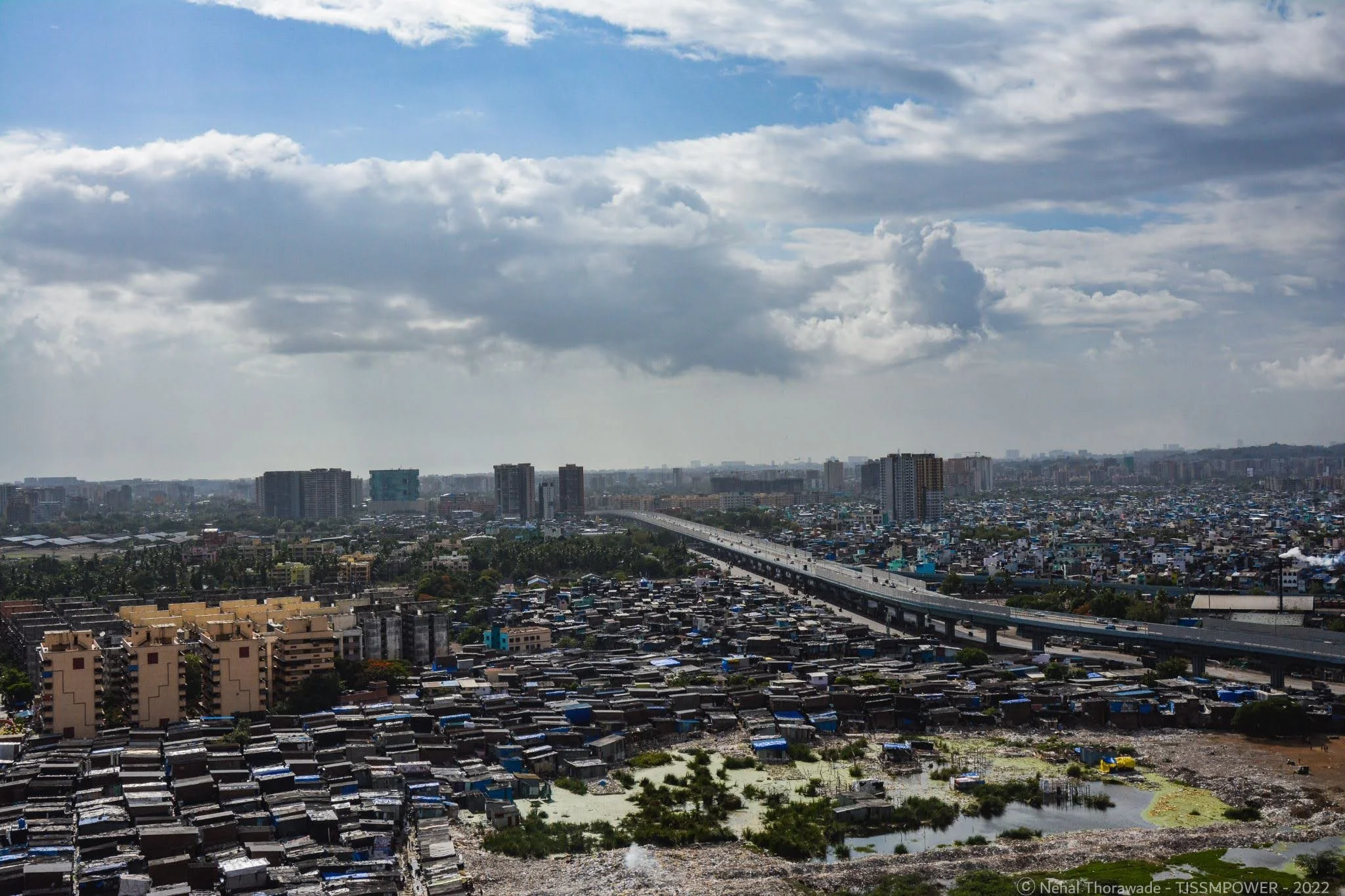
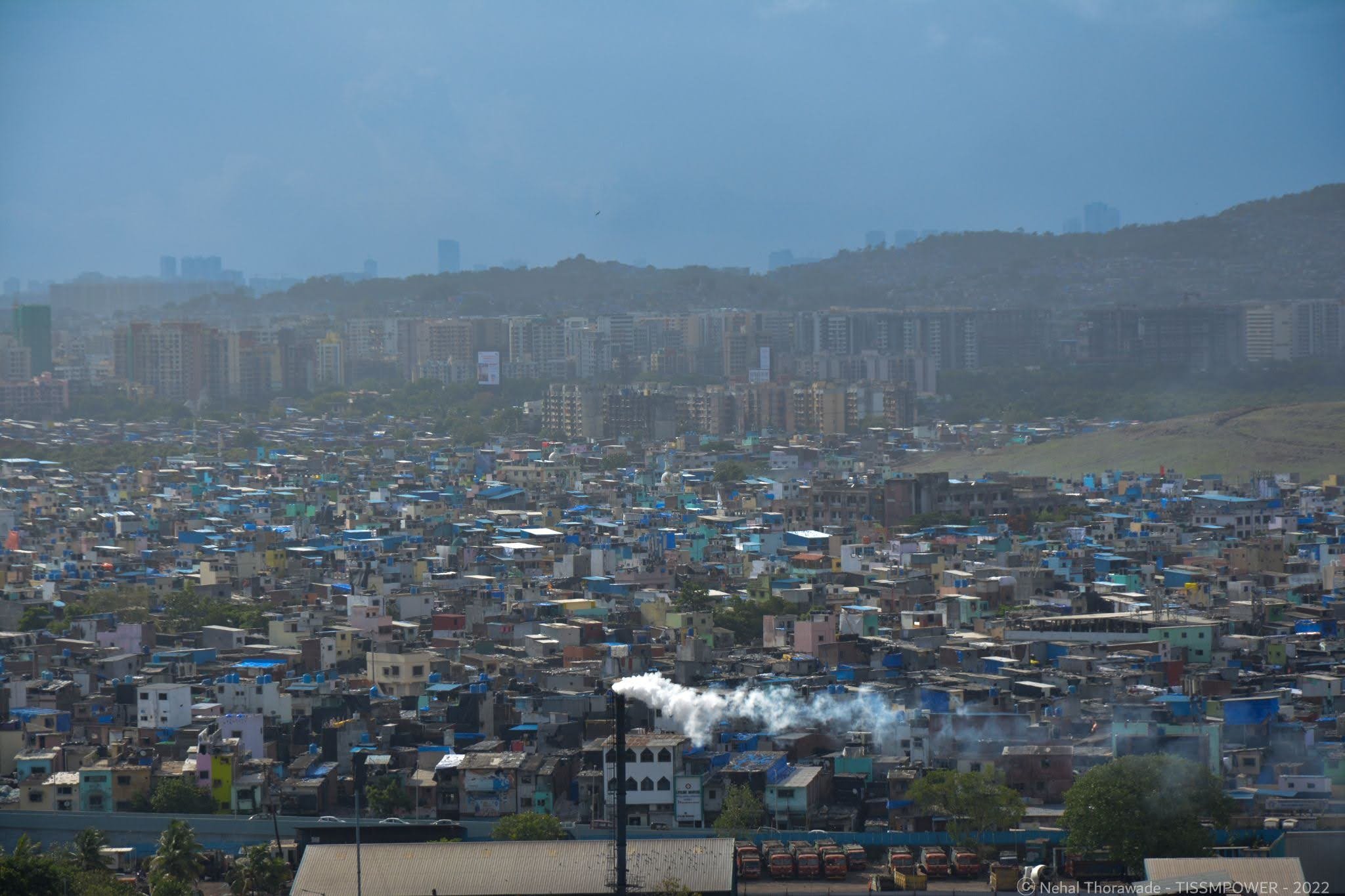
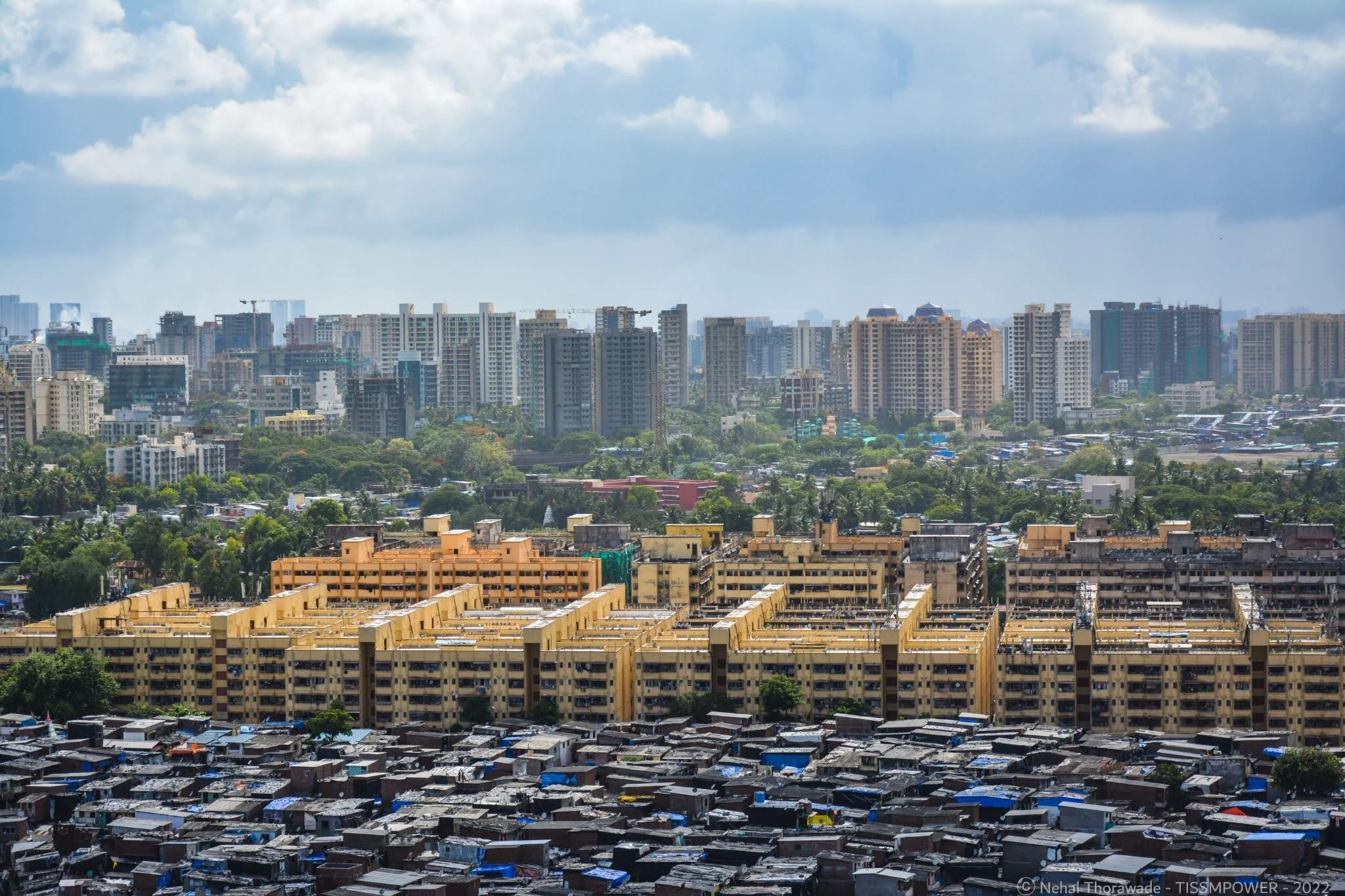
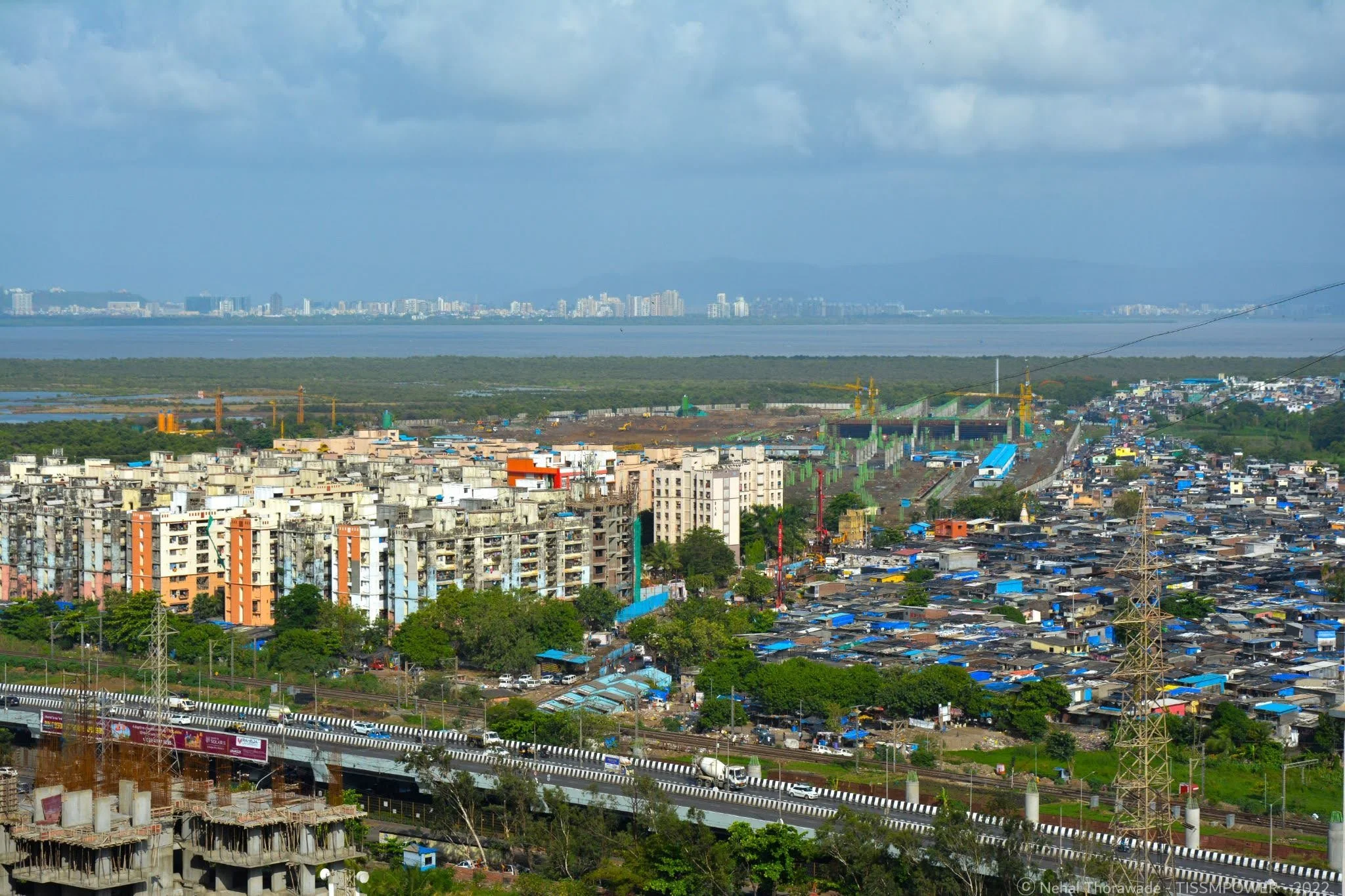
Mumbai’s M-East ward, one of the twenty-four administrative divisions of Mumbai and home to over 8,07,720 (Census 2011) residents, is also one of the poorest areas in the city with more than 72% living in slums. The ward comprises of more than 256 slums and 13 large resettlement colonies. Its human development index is the lowest in the city. Mumbai’s M-East ward also happens to be home to various historically marginalised castes, tribes and religions. Due to low land value, the ward became a place to house poor and marginalised communities, including migrants. This research will focus on three settlements within M-East Ward, namely Jay Ambe Nagar, Sathe Nagar, and Koliwada.
-
Partners:
The Bartlett School of Environment, Energy and Resources at University College London brings experience of undertaking energy and climate research. UCL will collaborate with the Transforming M-Ward Project of the Tata Institute of Social Sciences. The Transforming M-Ward Project has its objective to enhance human development in the ward through concerted outcome-based interventions in health, education, livelihood and housing. The M-Ward team is led by Prof Amita Bhide, including Dr Avinash Madhale, Mahesh Kamble, Simpreet Singh, Ar Avinash Kaur, Nishka Pawar, and Jyoti Sathe.
-
The project:
The project will leverage on the ongoing work of the Transforming M-Ward Project, partnering with community organisations in the ward. The project will primarily ask the following research questions:
1. What are the political, economic, technological, legal, regulatory and social factors that shape and reflect the energy system in M-Ward?
2. What factors play a prominent role in affecting energy security in M-Ward?
3. What is the energy culture (valued activities and practices that require the use of energy) of M-Ward residents?
4. What is the shared vision of community wellbeing in M-Ward and what is the role of energy in fulfilling that vision?
5. How are M-ward residents affected by climate change?
-
This project will use qualitative research methods, including oral history interviews, focus group discussions, audio-visual documentation, and mapping of infrastructures and settlements trajectories to answer the above questions. The aim of the project is to generate community-based knowledge that can be used by M-Ward residents to generate energy security and climate resilience in the ward.